Carrot as a Symbol of Health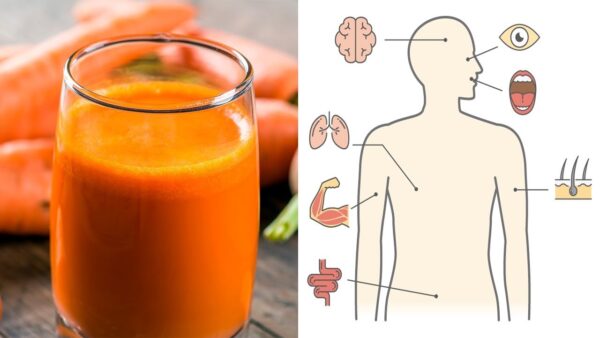
Carrots are more than just a crunchy and colorful addition to your plate — they are a true symbol of health, celebrated across cultures and centuries for their nutritional richness and healing properties. Often recognized for their vibrant orange hue, carrots are a powerhouse of vitamins, minerals, and antioxidants, earning them a place in traditional and modern medicine alike.
Let’s take a deeper look at the numerous health benefits carrots offer, and explore how this humble root vegetable can support various aspects of physical wellness.
Nutritional Composition: A Multivitamin in Vegetable Form
Carrots are remarkably nutrient-dense. They contain a wide range of essential vitamins, including:
Vitamin A (in the form of beta-carotene) – crucial for vision, immune support, and skin health
B-complex vitamins – such as B₁ (thiamine), B₂ (riboflavin), B₅ (pantothenic acid), B₆ (pyridoxine), and B₉ (folic acid), which help with metabolism and energy production
Vitamin C – for immune defense and collagen synthesis
Vitamin E and K – essential for skin, blood clotting, and antioxidant protection
Vitamin H (biotin) – supports hair and skin health
On the mineral side, carrots are packed with:
Iron, Zinc, Iodine, and Copper – important for blood health and thyroid function
Manganese, Selenium, Chromium – trace minerals that support enzymatic and metabolic processes
Calcium, Magnesium, Potassium, Sodium, and Phosphorus – needed for bone strength, fluid balance, and muscle contraction
Other minerals like boron, vanadium, cobalt, lithium, nickel, and sulfur contribute to various biological functions in small amounts
With only 35 kilocalories per 100 grams, carrots are an excellent choice for those seeking a low-calorie, high-nutrient food. This makes them a popular inclusion in many diet plans aimed at weight management or general wellness.
Therapeutic Applications of Carrots
Thanks to their impressive nutritional profile, carrots have been used in natural remedies to address a variety of health concerns. Here are some traditional uses and folk practices where carrots have played a central role:
1. Oral Health – Stomatitis and Gum Care
Rinsing the mouth with fresh carrot juice is believed to help combat harmful microorganisms, reduce inflammation, and promote healthier gums. Carrot juice contains antioxidants and anti-inflammatory compounds that may assist in oral healing.
2. Breastfeeding Support
Traditional wisdom suggests that drinking one glass of fresh carrot juice daily can enhance the quality of breast milk in nursing mothers. The beta-carotene and vitamin A content is particularly beneficial for both mother and baby.
3. Burns and Wound Healing
Carrot leaves and juice are sometimes used in folk medicine to soothe minor burns, frostbite, or infected wounds. Freshly applied juice is believed to cleanse the affected area and promote skin regeneration.
4. Digestive Regulation
Raw carrots are a rich source of dietary fiber, particularly insoluble fiber that supports regular bowel movements and promotes a healthy gut. The fiber bulks up in the intestines, improving peristalsis (the wave-like motion that moves food through the digestive tract). Recent studies suggest that fiber also fosters a prebiotic effect, nourishing the good bacteria in your digestive system.
5. Respiratory Health – Pharyngitis, Tracheitis, Bronchitis
A traditional remedy for irritated airways includes mixing carrot juice and warm milk in equal parts and drinking it 4–5 times a day, half a glass each time. This combination is thought to soothe inflammation in the throat and lungs.
6. Throat Conditions – Angina and Laryngitis
To treat sore throats naturally, try this carrot syrup:
Mix 1 tablespoon of sugar with ½ cup of carrot juice
Warm it gently over low heat until the sugar dissolves
Take 1 tablespoon 5–6 times a day
Another soothing remedy includes a mixture of 100 mL carrot juice, 100 mL water, and 1 tablespoon of honey. Use it for gargling or slow sipping.
7. Weight Loss and Detox
Carrot juice, combined with beetroot and cucumber juices in a ratio of 1:0.5:0.5, is a refreshing detox drink. Consume this mixture three times daily while avoiding starchy, fatty, and alcoholic foods for better results. The natural sugars in carrots provide energy without spiking insulin levels when consumed in moderation.
8. Support for Diabetes Management
Although carrots contain natural sugars, their fiber and low glycemic load make them a safe and beneficial food for those with type 2 diabetes.
Diabetic-Friendly Carrot Salad Recipe:
80g grated carrot
60g chopped parsley
30g light sour cream or Greek yogurt
Salt, xylitol (sugar substitute), and lemon juice to taste
Mix everything together and enjoy in the evening as a light, nutrient-packed dish.
9. Heart Health – Post-Myocardial Infarction Recovery
A juice blend for cardiovascular support includes:
1 glass of carrot juice
½ glass of beet j
uice
3 tablespoons of celery juice
Drink 100–150 mL daily to support heart function and blood pressure regulation.
10. Thyroid Health – Goiter
For those managing an enlarged thyroid (goiter), a traditional approach includes:
½ glass of carrot juice
1 teaspoon of dried seaweed (kelp or spirulina powder)
Take this mix three times a day. Iodine from both carrot and seaweed supports thyroid hormone synthesis.
11. Pancreatitis and Gas Relief (Flatulence)
Carrot seed powder has carminative properties, helping reduce bloating and gas. Take 1 gram of carrot seed powder three times a day with meals for relief.
12. Kidney Stones and Urinary Health
Carrots may help support kidney function and prevent the formation of stones.
Infusion Recipe:
Grate 3 tablespoons of fresh carrot
Pour 3 cups of boiling water over it
Let it steep overnight
Strain and drink 1 cup, 3 times a day
This natural infusion is believed to flush out toxins and reduce the likelihood of crystal formation in the urinary tract.
Final Thoughts
Carrots are one of nature’s most accessible, affordable, and versatile health foods. Whether eaten raw, juiced, cooked, or infused into teas, they offer an impressive spectrum of vitamins, minerals, and plant-based compounds that support everything from digestion to skin health and heart function.
In traditional medicine, carrots have long been regarded as a natural healer — a food that both nourishes and protects. As modern nutrition science continues to uncover the benefits of plant-based eating, the carrot remains a shining example of how simple vegetables can play a powerful role in preventive health care.
Next time you reach for a snack, consider a crunchy carrot — a small step toward better health, backed by tradition and science alike.