Oat Decoction Recipes for Liver Cleansing!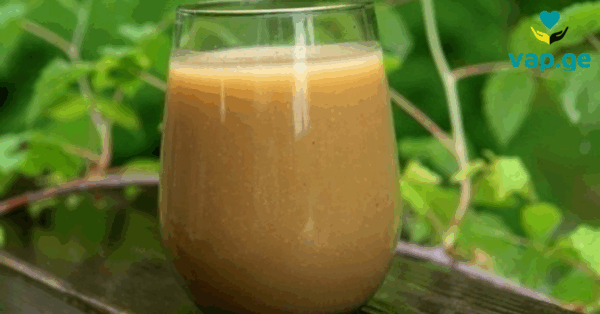
Reviews and Effectiveness:
One cannot say that within the human body there are “primary” organs and “secondary” ones. Every system has specific functions and is responsible for certain tasks. The liver, in turn, has an extremely large number of functions. It filters the blood, acts in hematopoiesis, is responsible for immunity, synthesizes certain vitamins, etc. Therefore, a person is simply obliged to take care of this important organ. For this purpose, cleansing the liver with oats is beneficial. Such a procedure is important both for the organ itself and for the whole body.
Benefits of Oats for the Liver and Whole Body
In order for most of the vital processes in the body to proceed stably, it is necessary for liver cells to be in a healthy, active condition. Interestingly, the liver never “hurts” in the usual sense, because it has no nerve endings. A person does not feel its “suffering.” What then might be a sign to check, treat, or prevent damage to the liver?
First, it is worth noting that you cannot achieve a cleansing effect with oats quickly. A course of treatment and prevention takes about 2‑3 months, and if you have enough strength and patience, your body will become cleaner. The main thing is to find high quality, pesticide‑free oats grown in ecologically clean places.
Recipe 1
Take 1 cup of rinsed oats, pour 3 liters of cold water, bring to about 80 °C, then place covered in an oven heated to 150 °C. Oats should be kept in an enamel (or non‑reactive) pot for about 2 hours. Once cooled, strain the infusion well and take 2/3 cup in the morning and evening, in warm form, 30 minutes before meals.
Recipe 2
Put 1 tablespoon of crushed oat grains into a thermos, pour 1 liter of boiling water, let it steep for 10‑12 hours. Take this infusion according to the same scheme above. The daily intake of oat infusion should be up to 500 ml.
Additional Recommendations
It does not harm to follow a low‑fat diet for a few weeks, so that the liver can rest completely and cleanse itself.
Many people in reviews of oat liver cleansing note the effectiveness of the method.
The most important thing is not to stop in the middle, but to continue the decoction regularly for 2‑3 months.
What Research and Existing Reviews Suggest
While much of this comes from folk medicine and anecdotal reports, there is some scientific and empirical support—and also important caveats.
Animal studies: A study with mice showed that oat extract, when given before induction of acute liver injury by alcohol, reduced markers of liver damage (such as ALT, AST) and boosted antioxidant defenses.
PubMed
Human study on non‑alcoholic fatty liver: One randomized clinical trial showed that consuming oat cereal with beta‑glucan for 12 weeks reduced body weight, BMI, body fat, and improved liver enzymes (ALT, etc.) in overweight subjects.
link.springer.com
Folk reviews / user experiences:
Reports in sources of traditional medicine note improvements in digestion, reduction of inflammation in the digestive tract, better bile flow, reduced swelling, normalization of stool, and general increase in vitality after courses of oat decoctions or infusions.
Активно худеем
+2
zakam.ru
+2
Some users do report initial mild discomfort, nausea, or pain under the right ribs, typically if there is an underlying condition (e.g. gallstones) or if the regimen is started too strongly without preparation.
Активно худеем
+1
Effect on cholesterol and liver markers: Oats are well known for their cholesterol‑lowering effects largely through beta‑glucan fiber, which improves lipid profiles. In the aforementioned human study, liver function tests (ALT especially) improved.
link.springer.com
Whole Procedure, Diet & Supportive Measures
To maximize benefit, folk sources recommend not only using the decoction or infusion, but also:
Using whole, unrefined oats, preferably with the hull or outer layers intact if possible. These contain many beneficial elements.
Активно худеем
+1
Thoroughly rinsing oats before preparation.
zakam.ru
Adjusting diet: avoid fatty, fried, heavily processed, and sugary foods. Include more plant‑based foods, vegetables, herbs.
Активно худеем
+1
Possibly performing supporting procedures every ~10 days (in folk tradition), such as promoting bile flow, using mineral‑water based methods, or other herbal aids.
zakam.ru
+1
Not mixing decoctions with coffee or strong stimulants during cleanse period.
zakam.ru
Duration and Expectations
Course typically lasts 2‑3 months. Some sources say even longer depending on degree of liver “load” or damage.
Активно худеем
+1
Changes often reported:
• Reduced discomfort or heaviness under right ribs,
• Less bloating or flatulence,
• Improvement in digestion, bowel movement regularity, skin appearance, energy, mood.
Активно худеем
Risks, Contraindications, and When to Be Careful
It is very important to understand that home cleansing with oats is not safe or appropriate for everyone. Some warnings from reviews and traditional sources:
Gallbladder disease / gallstones: If there are gallstones or gallbladder inflammation, stimulating bile flow may dislodge stones or clog ducts. This can lead to serious complications.
Активно худеем
+1
Severe liver or kidney disease: When liver is already damaged severely (e.g. cirrhosis, liver failure), or kidney function is poor, such procedures may not only be ineffective, but harmful.
Активно худеем
+1
Pregnancy and lactation: Many traditional sources recommend avoiding or consulting a doctor first.
zakam.ru
Digestive problems: Increased acidity, stomach ulcers, gastritis or weakened digestion can worsen with such infusions or diets.
zakam.ru
+1
Allergy or intolerance to oats: Some people react to oats. Also, “gluten cross‑contamination” can matter if very sensitive.
taste.decorexpro.com
Medicine interactions / medical supervision: If on medication, especially for liver, blood sugar, or other chronic conditions, always check with a healthcare provider.
Scientific Perspective & What Is Less Known
While oats have shown benefits for liver enzyme levels, body fat, and lipid profile, the idea of “cleansing toxins” or “detoxifying” in popular usage is often vague. The body’s liver already does much of this work.
Healthline
+1
There are relatively few rigorous clinical trials specifically testing long‑term oat decoction protocols (with large sample sizes, controlled conditions).
The degree of improvement depends heavily on baseline health, other lifestyle factors (diet, alcohol consumption, weight, exercise), and the quality of oats used.
Sample Expanded Article Version (≈1200 words)
Here is an enriched version combining your original content alongside the scientific evidence, usage instructions, and cautions:
The liver holds a central, irreplaceable role in human health. It filters blood, helps in the formation of blood cells (hematopoiesis), participates in immune defense, synthesizes vitamins, handles metabolic waste, and much more. Its proper function is thus foundational to well‑being. Many people turn to natural methods of supporting liver health, among them oat decoctions—infusions or broths made from oats. Oats are valued in traditional medicine for improving liver function, assisting digestion, reducing toxic load, and supporting overall health.
But how reliable are these claims? Are there recipes that work? And what precautions should one follow?
What Can Oats Actually Do for the Liver
Scientific studies show that oats (Avena sativa) contain lots of beneficial compounds: fiber (especially beta‑glucan), antioxidants, phenolic compounds, and others. These help:
Lower “bad” cholesterol (LDL), which reduces fat buildup in the liver. In a clinical trial, overweight individuals who ate oat cereal daily over 12 weeks showed reduced body weight, reduced ALT (a liver enzyme marker), improved lipid profiles.
link.springer.com
Protect against liver damage in animal models: for example, oat extract lessened alcohol‑induced liver injury in mice by reducing liver enzymes, oxidative stress, and preserving mitochondria.
PubMed
Improve digestion, help with inflammation in the gastrointestinal tract, normalize bowel movements, reduce swelling, and help with bile flow (in folk reports) which could ease metabolic load on the liver.
Активно худеем
+1
However, in serious liver diseases (severe fatty liver, cirrhosis, etc.), oats and decoctions are not cures—they may support but are not replacements for medical treatment.
How to Prepare Oat Decoctions / Infusions
Here are some tested recipes and practical instructions:
Recipe A: Rinse 1 full cup of whole oats. Soak or steep in 3 liters of cold water, then gently heat to around 80 °C, transfer to an oven or off‑heat chamber at about 150 °C for several hours (in an enamel pot). After ~2 hours, allow to cool, strain well. Drink about 2/3 cup in the morning and evening, 30 minutes before meals, warm.
Recipe B: In a thermos, place 1 tablespoon of crushed oats; pour 1 liter of boiling water; let steep for 10‑12 hours. Strain. Drink up to about 500 ml/day in divided doses.
These infusions are best made from clean, pesticide‑free oats, preferably whole/unrefined. Avoid instant or heavily processed oat products for these cleansing decoctions. They lose many beneficial compounds during processing.
Duration, Diet & Supporting Habits
The cleansing course typically lasts 2‑3 months. In some folk traditions, even longer if the body is heavily “burdened” by poor diet, toxins, or liver strain.
Diet during this period should be light and low in fats, especially saturated and trans fats; avoid fried, heavily processed, sugary foods; limit or avoid alcohol. Emphasize vegetables, whole plant foods, herbs, and clean water.
Supportive routines: periodic promotion of bile flow, avoiding strong irritants (coffee, alcohol, spicy food), ensuring good rest and moderate physical