Be Careful! These Foods Should Be Avoided During Pregnancy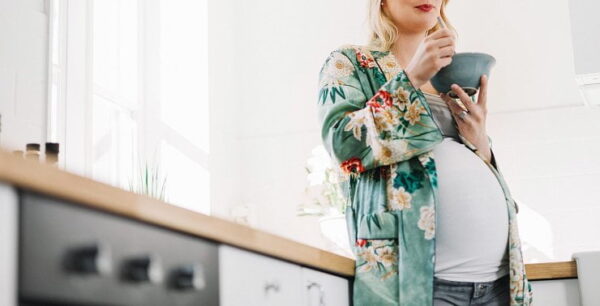
Pregnancy is a time of tremendous change and responsibility. The food choices you make not only affect your own health, but also play a vital role in the healthy development of your baby. It’s common for pregnant women to experience cravings and a heightened interest in certain foods, but not everything you crave is safe.
Some foods can pose serious health risks during pregnancy — from bacterial infections to harmful chemical exposure. These risks may not only affect the mother but can also impact the unborn child, potentially leading to complications or developmental issues. That’s why it’s essential to know which foods to avoid to ensure a healthy and safe pregnancy.
Here’s a detailed list of foods that pregnant women should avoid, along with explanations of why they may be harmful:
1. Raw or Undercooked Meat and Eggs
One of the most important food safety rules during pregnancy is to avoid raw or undercooked animal products.
This includes steak tartare, rare beef, raw sausages, and other undercooked meats, as well as soft-boiled or runny eggs (often called “glazok” or “dippy eggs”).
These can harbor dangerous bacteria such as Toxoplasma, Salmonella, and Listeria, which may cause infections that are particularly risky for pregnant women and developing babies.
Toxoplasmosis, in particular, is a parasitic infection that can pass from mother to baby and cause vision problems, brain damage, or miscarriage.
Recommendation: Always cook meat thoroughly to an internal temperature of at least 160°F (71°C) and ensure eggs are fully set (no runny yolks).
2. Unpasteurized Juices and Milk
While fresh juices and raw milk may seem like healthy choices, they can carry harmful bacteria if they are not pasteurized.
Unpasteurized juices, especially those sold in farmer’s markets or freshly squeezed at home, may contain E. coli or Salmonella.
Unpasteurized milk (often called “raw milk”) may carry pathogens like Campylobacter, Listeria, or Salmonella — all of which can cause foodborne illnesses that are dangerous during pregnancy.
Recommendation: Choose only pasteurized milk and juices. Always read the label or ask when in doubt.
3. Soft Cheeses Made From Unpasteurized Milk
Soft cheeses are another common source of bacterial contamination if made from unpasteurized milk.
Avoid cheeses such as Brie, Feta, Camembert, Roquefort, Queso fresco, and young or fresh cheeses unless the label clearly states that they are made with pasteurized milk.
These cheeses can carry Listeria, a type of bacteria that can cross the placenta and potentially lead to miscarriage, premature birth, or life-threatening infection in the newborn.
Recommendation: Stick to hard cheeses and any soft cheese that is clearly labeled as made from pasteurized milk.
4. Raw Sprouts (Alfalfa, Mung Bean, etc.)
Although sprouts like alfalfa, clover, radish, and mung bean are often seen as healthy, they can be risky during pregnancy.
Raw sprouts grow in warm, moist environments — ideal conditions for bacterial growth, including Salmonella and E. coli.
Even washing raw sprouts doesn’t guarantee that all bacteria will be removed.
Recommendation: Avoid eating raw sprouts during pregnancy. If you love them, cook them thoroughly before consuming.
5. Fish High in Mercury
While fish is a good source of omega-3 fatty acids and lean protein, certain types of fish contain high levels of mercury, which can damage your baby’s developing brain and nervous system.
Avoid fish such as:
Shark
Swordfish
King mackerel
Tilefish
Certain types of tuna (especially bigeye tuna)
Recommendation: Choose low-mercury fish such as salmon, sardines, cod, tilapia, and shrimp. Limit fish intake to 2–3 servings per week and check with your doctor if unsure.
6. Alcoholic Beverages
This one is a well-known rule, but worth repeating.
Alcohol passes through the placenta to the baby, and the fetus lacks the enzymes needed to process it.
Even small amounts can increase the risk of fetal alcohol spectrum disorders (FASDs), which can cause developmental delays, behavioral issues, and physical deformities.
Recommendation: Completely avoid alcohol throughout pregnancy.
7. Herbal Teas and Unknown Herbal Blends
While some herbal teas are soothing and safe, others contain herbs that can stimulate the uterus or interfere with hormone balance.
Some teas may contain licorice root, pennyroyal, sage, or ginseng, which are not safe during pregnancy.
Many herbal blends do not list full ingredients, which makes it hard to know what you’re consuming.
Recommendation: Only drink herbal teas recommended by your healthcare provider or certified for use during pregnancy (such as ginger or peppermint in moderation).
8. Cold Meat and Seafood Pâtés
Cold, ready-to-eat meat and seafood pâtés can be contaminated with Listeria.
This includes refrigerated potted meats, cold liver pâté, or seafood spreads.
Listeria can multiply even in
refrigerated environments and pose a serious threat to pregnant women.
Recommendation: Avoid cold pâtés altogether. If you must consume them, only eat cooked versions served hot.
9. Tasting Raw Dough or Batter
It might be tempting to taste cookie dough or cake batter when baking, but it’s best to resist.
Raw dough often contains raw eggs, which may be contaminated with Salmonella.
Even a small amount can cause food poisoning, which is particularly dangerous during pregnancy.
Recommendation: Never taste unbaked dough or batter. Wait until it’s fully cooked or baked.
10. Raw or Undercooked Seafood
Seafood is an excellent source of protein and nutrients, but eating it raw or undercooked can be risky.
Avoid dishes like sushi, sashimi, raw oysters, mussels, clams, and ceviche.
These can harbor parasites, bacteria, and viruses that are harmful during pregnancy.
Recommendation: Only eat fully cooked seafood. If you enjoy sushi, opt for vegetarian or cooked options like shrimp tempura rolls.
11. Store-Bought Pre-Made Salads
Pre-packaged and store-bought salads may seem like a healthy and easy choice, but they come with risks.
These often contain ingredients such as cold deli meats, chicken, ham, or seafood, which may not be stored properly or may contain Listeria or other bacteria.
The risk increases when salads sit at room temperature for long periods (e.g., at buffet tables or supermarkets).
Recommendation: Make your own salads at home using fresh, washed ingredients. Avoid pre-made salads unless freshly prepared and consumed immediately.
In Summary
During pregnancy, your immune system is naturally suppressed to support your growing baby — which means you’re more vulnerable to foodborne illnesses. The risks posed by certain foods may seem small, but the potential consequences for your baby’s development can be significant.
To keep yourself and your baby safe:
Be informed
Cook food thoroughly
Avoid raw or unpasteurized products
Choose fresh, well-sourced ingredients
Always read labels
Consult with your doctor or nutritionist before trying any unfamiliar foods or herbal products
Your Health Is In Your Hands
Pregnancy is a beautiful journey, and proper nutrition plays a central role in ensuring a healthy outcome for both mother and baby. By avoiding certain risky foods and focusing on a well-balanced diet rich in whole grains, lean proteins, fruits, vegetables, and healthy fats, you’re giving your baby the best possible start in life.
Be careful. Be informed. And take care of yourself — for both you and your growing little one.