90% of People Measure Their Blood Pressure Incorrectly! These Mistakes Can Skew the Results
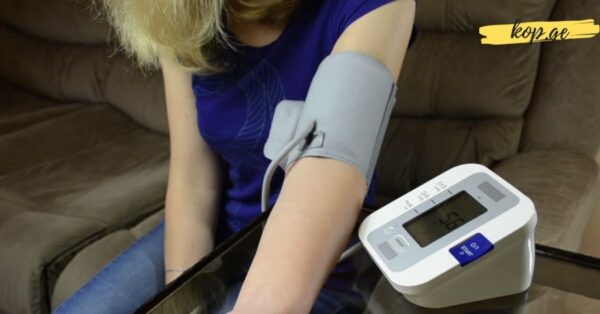
If you frequently experience headaches, weakness, dizziness, or ringing in the ears, it’s a clear signal that it’s time to check your blood pressure with a reliable tonometer.
Regular blood pressure monitoring is crucial for maintaining cardiovascular health and preventing serious complications. Ignoring elevated blood pressure can have severe consequences: people who neglect it are 7 times more likely to suffer a stroke, 4 times more likely to develop coronary heart disease, and 2 times more likely to experience vascular problems in the legs.
By taking your health seriously, you can make daily blood pressure measurements a routine and record the results in a dedicated notebook. But it’s essential to do it correctly, because inaccurate readings can lead to inappropriate treatment and, in some cases, jeopardize your life.
Why Tonometers Can Give Incorrect Readings
Most errors in blood pressure measurements occur due to improper use of the device. Mechanical (manual) tonometers, in particular, require specific skills and knowledge to ensure accuracy. Several factors can influence the readings:
Cuff size matters: The cuff must match the circumference of your upper arm. A cuff that is too large or too small can give false results.
Inflation speed: The cuff should not be inflated too quickly or too slowly. Incorrect inflation affects the accuracy of both systolic and diastolic readings.
Placement: The cuff should not be placed over clothing, and it shouldn’t be too tight or loose on the arm.
Sensitivity to noise: Mechanical devices are extremely sensitive to ambient noise, which can disrupt accurate measurement.
Stethoscope positioning: For manual devices, the accuracy depends heavily on the correct placement of the stethoscope over the brachial artery.
Due to these complexities, many people prefer automatic blood pressure monitors, which are easier to use and require less technical knowledge.
How to Measure Blood Pressure Correctly
Whether using a manual or automatic device, following proper procedures is essential:
Arm Position: Place your arm so that the middle of the upper arm with the cuff is at heart level.
Cuff Placement: The bottom edge of the cuff should be 2–3 cm above the elbow crease.
Body Position: Blood pressure can be measured while sitting or lying down, but maintain a relaxed posture.
Stay Still and Quiet: Avoid talking or moving during measurement, and try to stay calm.
Avoid Certain Activities: Measurements should be taken 1–2 hours after coffee, strong tea, smoking, or a heavy meal.
Empty Bladder: A full bladder can affect readings, so visit the restroom before measuring.
Medication Considerations: Avoid measuring within 2 hours of taking medication that may influence blood pressure.
Multiple Measurements: If you take a second reading, wait at least one minute after the first.
Arm Differences: Blood pressure may vary between the left and right arms by 10–20 mmHg. This is normal; note which arm is used consistently.
Types of Blood Pressure Monitors
Automatic Arm Monitors: These are widely recommended for home use. They provide reliable readings without specialized skills, making them ideal for daily monitoring.
Wrist Monitors: Compact and convenient, these devices measure blood pressure at the radial artery near the wrist. They are suitable for those who want a quick, simple solution, but they are slightly less accurate than upper-arm monitors.
Manual (Mercury or Aneroid) Monitors: Highly accurate in skilled hands but require proper technique, knowledge of cuff placement, and the ability to use a stethoscope.
For most people, an automatic upper-arm monitor offers the best combination of accuracy and convenience. Wrist monitors are useful for portability but should not replace arm monitors for routine tracking, especially if you need precise measurements to manage hypertension.
Daily Blood Pressure Monitoring: Why It Matters
By taking consistent, accurate readings, you can track trends in your blood pressure over time. This is particularly important for:
Detecting hypertension early: Even mild elevation can cause long-term damage if ignored.
Assessing treatment effectiveness: Whether taking medication or following lifestyle changes, regular readings show whether your interventions are working.
Preventing complications: Accurate monitoring helps reduce the risk of stroke, heart attack, kidney disease, and peripheral vascular disease.
Tips for Making Home Monitoring Effective
Keep a dedicated logbook: Record the date, time, and readings for each measurement. Include notes about medications, stress, or diet that might influence results.
Consistency is key: Measure blood pressure at the same time each day, preferably in the morning before breakfast.
Relax before measuring: Sit quietly for 5–10 minutes before taking a reading. Deep breaths and calm posture improve accuracy.
Regular calibration: Automatic devices should be checked or recalibrated periodically to ensure ongoing accuracy.
Red Flags: When to Seek Medical Advice
Even with careful home monitoring, consult a healthcare professional if you notice:
Persistent high readings (systolic ≥140 mmHg or diastolic ≥90 mmHg)
Sudden spikes in blood pressure
Symptoms such as severe headache, chest pain, dizziness, or visual changes
Early intervention can prevent serious cardiovascular events and improve long-term health outcomes.
Final Thoughts
Accurate blood pressure measurement is not just a routine—it’s a vital health practice. Many people unknowingly record false readings due to improper technique, device choice, or environmental factors. By understanding the correct methods and selecting a reliable tonometer, you can take control of your cardiovascular health, detect issues early, and prevent serious complications.
Remember: do not ignore elevated blood pressure! Regular, accurate monitoring combined with a healthy lifestyle is one of the most effective ways to protect your heart, brain, and overall well-being.