7 Warning Signs That Your Arteries May Be Clogged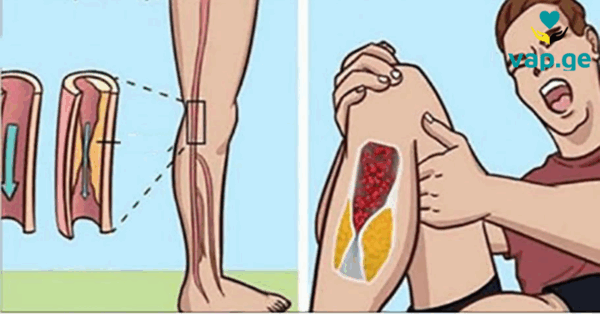
Important Note!
Poor blood circulation is never a good sign. Not only can it indicate an underlying health issue, but in many cases, it may mean that your arteries are becoming clogged—a condition that can lead to serious, even life-threatening, complications. That’s why recognizing early warning signs is critical. Timely intervention can prevent more severe cardiovascular problems down the line.
Why Is Good Blood Circulation So Important?
Your circulatory system is responsible for delivering oxygen and essential nutrients to every cell and organ in your body. Without this constant, unimpeded flow of blood, vital organs such as your brain, heart, and kidneys can’t function properly. When circulation slows or is obstructed—whether from plaque buildup, blood clots, or narrowed arteries—serious health issues can develop.
Even mild circulatory issues may signal the beginning of something more dangerous, such as peripheral artery disease (PAD) or coronary artery disease (CAD). Therefore, if you notice signs that your circulation is compromised, it’s important to take them seriously and consult a healthcare provider.
What Causes Poor Circulation?
Several lifestyle and health factors can negatively affect your blood flow. Some of the most common culprits include:
Sedentary lifestyle: Lack of physical activity weakens the cardiovascular system.
Unhealthy diet: Processed foods high in sugar, trans fats, and sodium contribute to plaque buildup in the arteries.
Obesity: Excess weight strains the heart and vascular system.
Smoking and alcohol use: Both substances damage the blood vessels over time.
High blood pressure and cholesterol: These can cause the arteries to harden or become blocked.
Diabetes: High blood sugar damages the lining of blood vessels and contributes to atherosclerosis.
What Happens When Arteries Get Clogged?
A condition known as atherosclerosis occurs when fatty deposits (plaque) accumulate along the walls of your arteries. Over time, this plaque can harden and narrow the arteries, restricting blood flow. The result is that your heart has to work harder to pump blood, which increases your risk of heart attack, stroke, and other cardiovascular diseases.
One common yet often underdiagnosed result of blocked arteries is Peripheral Artery Disease (PAD). This condition affects the limbs—especially the legs—and is usually a sign that arteries elsewhere in the body may also be compromised.
7 Warning Signs That May Indicate Clogged Arteries
Here are seven red flags you should never ignore. If you’re experiencing any combination of these symptoms, it could mean your arteries are partially blocked and your circulation is suffering:
1. Chronic Fatigue
Feeling tired occasionally is normal, but persistent, unexplained fatigue may be a sign that your heart isn’t getting enough oxygen-rich blood. When arteries are clogged, your body has to work harder to perform even the simplest tasks, leading to chronic exhaustion.
2. Leg Pain or Cramps (Especially When Walking)
This is one of the hallmark symptoms of PAD. If you feel a sharp pain, cramping, or discomfort in your legs during physical activity that disappears at rest, this could indicate poor blood flow due to narrowed arteries.
3. Numbness or Tingling in Extremities
Reduced blood flow to your hands and feet can cause a sensation of “pins and needles,” numbness, or even a burning feeling. If this happens frequently or progressively worsens, it could point to peripheral artery issues.
4. Hair Loss on Legs or Feet
While often overlooked, a lack of hair growth—or sudden hair loss—on your lower legs or feet may suggest that blood isn’t circulating properly. Hair follicles need a healthy supply of oxygen and nutrients to function.
5. Shiny, Discolored, or Thin Skin on Legs
Skin that appears smooth, shiny, or unusually pale on your legs or feet may also be a sign of PAD. This happens because inadequate blood supply affects skin health and tissue regeneration.
6. Cold Feet or Hands
If your extremities frequently feel cold—especially when the rest of your body is warm—it might mean blood isn’t reaching those areas effectively. This is often due to narrowed arteries and reduced circulation.
7. Slow-Healing Wounds
Cuts, scrapes, or sores on your legs and feet that take a long time to heal could indicate poor blood supply, which interferes with your body’s ability to repair itself. This is especially dangerous for people with diabetes and could lead to serious infections or even amputation.
What Is Peripheral Artery Disease (PAD)?
PAD occurs when fatty deposits narrow the arteries that supply blood to your limbs, typically the legs. This condition is often a warning sign of more widespread arterial disease and is associated with a higher risk of heart attack and stroke.
PAD can be tricky to diagnose because its symptoms often mimic other health issues. In many cases, people dismiss the discomfort as muscle pain or aging. However, early detection and treatment can greatly improve quality of life and prevent serious complications.
How to Prevent or Reverse Clogged Arteries
The good news is that, in many cases, early-stage arterial blockage can be managed or even reversed with lifestyle changes. Here are some effective steps:
1. Increase Physical Activity
Aim for at least 30 minutes of moderate exercise most days of the week. Walking, swimming, cycling, and yoga are excellent ways to improve circulation and heart health.
2. Adopt a Heart-Healthy Diet
Focus on whole, plant-based foods. Include more fruits, vegetables, whole grains, legumes, and healthy fats like those found in olive oil and avocados. Avoid trans fats, excessive salt, sugar, and processed meats.
3. Quit Smoking and Limit Alcohol
Smoking damages blood vessel linings and accelerates plaque buildup. Alcohol, especially in excess, also negatively affects cardiovascular health. Quitting these habits significantly lowers your risk of artery-related diseases.
4. Add Circulation-Boosting Foods
Certain foods can help keep your arteries healthy. Consider incorporating:
Garlic: Known to lower blood pressure and cholesterol.
Ginger: Improves circulation and reduces inflammation.
Turmeric: Contains curcumin, a powerful anti-inflammatory agent.
Nuts and Seeds: Almonds, Brazil nuts, sunflower seeds, and walnuts are rich in Vitamin E and omega-3 fatty acids.
Leafy Greens: High in nitrates, which help dilate blood vessels.
Berries: Packed with antioxidants that reduce oxidative stress and inflammation.
5. Get Your Vitamins and Antioxidants
Ensure you’re getting enough of the following nutrients:
Vitamin E: Supports blood vessel health.
Vitamin C: Strengthens blood vessels and improves blood flow.
Vitamin D: Important for heart and vascular function.
Beta-Carotene & Selenium: Found in colorful vegetables and grains; reduce oxidative damage to arteries.
6. Manage Stress
Chronic stress contributes to hypertension and inflammation, both of which affect arterial health. Try stress-reducing techniques such as deep breathing, meditation, spending time in nature, or engaging in hobbies.
When Should You See a Doctor?
If you’re experiencing symptoms such as leg pain during walking, cold extremities, or chronic fatigue, don’t ignore them. These could be early signs of something serious. Early detection of arterial problems can prevent long-term damage to your heart and other organs.
A doctor may suggest a doppler ultrasound, ankle-brachial index (ABI) test, or other diagnostics to check for blockages and measure the extent of poor circulation.
Final Thoughts
Your circulatory system plays a vital role in keeping your body alive and functioning. Clogged arteries often develop slowly and silently, but your body usually gives off warning signs—if you know how to recognize them. Stay aware, take care of your health proactively, and never hesitate to consult a healthcare professional if something feels off.
A healthy lifestyle isn’t just about living longer—it’s about living better. Keep your arteries clean, your blood flowing freely, and your body will thank you in return.