7 Warning Signs That Your Arteries May Be Clogged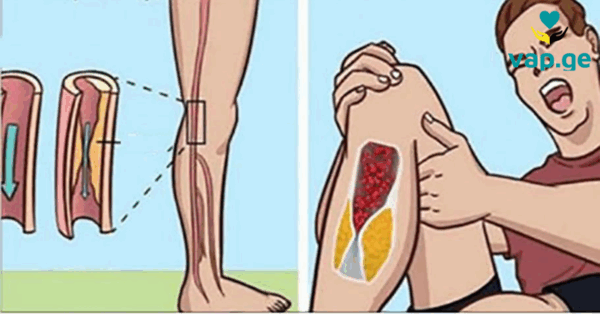
Important Note:
Poor blood circulation is never something to ignore. While it may seem like a minor inconvenience, it can actually indicate that your arteries are becoming blocked. Clogged arteries are dangerous because they reduce the flow of blood and oxygen to vital organs, increasing your risk for serious conditions such as heart attacks, strokes, and peripheral artery disease (PA). Understanding the warning signs is crucial for taking early action and protecting your overall health.
Why Blood Circulation Matters
Blood circulation is essential because it transports oxygen and nutrients to every part of your body. Each organ depends on the steady flow of blood to function properly. When circulation slows or becomes restricted, your organs cannot perform optimally. Over time, poor circulation can damage major organs such as the heart and brain, reduce energy levels, and impair your immune system. Even mild restrictions in blood flow can lead to fatigue, muscle weakness, and a higher risk of serious diseases.
Causes of Poor Circulation
Several lifestyle and health factors contribute to reduced blood flow:
Sedentary Lifestyle – Lack of regular physical activity slows circulation, weakens the cardiovascular system, and allows fat deposits to accumulate in arteries.
Poor Diet – Diets high in processed foods, sugar, and unhealthy fats can lead to plaque buildup in arteries.
Excess Weight – Carrying extra weight strains the heart and increases the risk of atherosclerosis (hardening of the arteries).
Smoking and Alcohol Consumption – Tobacco use damages blood vessels, while excessive alcohol can increase blood pressure and impair circulation.
Chronic Stress – Long-term stress raises blood pressure and triggers inflammation, contributing to arterial damage.
Maintaining healthy circulation is vital for overall well-being. By making lifestyle changes, you can improve blood flow and reduce the risk of severe health issues.
Peripheral Artery Disease (PA)
Chronic leg pain, numbness, or weakness can be a warning sign of peripheral artery disease (PA). PA occurs when fatty deposits, or plaque, accumulate inside the arteries, gradually narrowing them. This condition is medically known as atherosclerosis. Over time, these plaques can harden and restrict blood flow, which effectively “chokes” the arteries and deprives tissues of necessary oxygen and nutrients.
Symptoms of PA include:
Leg pain, cramps, or heaviness, especially during walking or exercise
Numbness or tingling in the legs
Hair loss on the legs and feet
Shiny, thin skin on the legs or feet
Slow-healing wounds or sores on the legs or toes
Coldness in the lower legs or feet
Weak or absent pulses in the legs
It’s important to note that not everyone will experience all symptoms, and some may be subtle. That is why prevention is always better than treatment.
Why Early Detection Is Crucial
Blocked arteries can lead to severe complications, including heart attack, stroke, or tissue death in the legs (gangrene). Detecting circulation problems early gives you the opportunity to make lifestyle changes and seek medical treatment before irreversible damage occurs. Doctors may use tests such as ankle-brachial index (ABI), ultrasounds, or blood tests to evaluate circulation and plaque buildup.
Prevention and Lifestyle Strategies
You can significantly reduce your risk of clogged arteries by making changes in your daily routine:
Increase Physical Activity – Regular exercise, even walking 30 minutes a day, strengthens the heart, improves blood flow, and reduces plaque buildup.
Eat a Heart-Healthy Diet – Emphasize fruits, vegetables, whole grains, legumes, and lean proteins. Reduce processed foods, sugary snacks, and saturated fats.
Include Circulation-Boosting Foods – Garlic, ginger, turmeric, leafy greens, and berries have natural properties that improve blood flow and reduce inflammation.
Quit Smoking and Limit Alcohol – Tobacco damages arteries and blood vessels, while excessive alcohol raises blood pressure and increases the risk of clot formation.
Maintain a Healthy Weight – Losing excess weight reduces stress on the heart and lowers the risk of plaque buildup.
Manage Stress – Techniques such as yoga, meditation, deep breathing, and regular exercise help lower blood pressure and improve circulation.
Supplements and Nutrients for Healthy Arteries
Certain vitamins and nutrients can further support healthy blood flow:
Vitamin E – Acts as an antioxidant and prevents blood clots; sources include almonds, sunflower seeds, and peanuts.
Vitamin C – Essential for blood vessel integrity; found in citrus fruits, strawberries, and bell peppers.
Vitamin D – Supports overall cardiovascular health; obtained through sunlight, fortified foods, or supplements.
Beta-Carotene – Found in carrots, sweet potatoes, and spinach; converts to vitamin A and supports blood vessel health.
Selenium – An antioxidant
mineral that protects arteries from damage; found in Brazil nuts, fish, and eggs.
Including these nutrients in your diet — ideally through organic fruits, vegetables, nuts, and seeds — can help reduce arterial plaque and improve circulation naturally.
Summary
Poor circulation is not just uncomfortable; it is a warning signal that your arteries may be blocked. Common symptoms include leg pain, numbness, hair loss on the legs, shiny skin, and slow-healing wounds. Peripheral artery disease is a serious condition caused by plaque buildup in the arteries, which can lead to heart attacks, strokes, or tissue damage.
By adopting a healthier lifestyle — including regular exercise, a nutrient-rich diet, quitting smoking, managing stress, and taking specific vitamins and antioxidants — you can prevent or even reverse arterial blockage. Paying attention to your circulation today may save your life tomorrow.
Remember, prevention is always better than treatment. Regular medical checkups, a balanced diet, and an active lifestyle are the best tools to protect your heart and arteries