7 Symptoms That Can Help Identify Stroke in Women
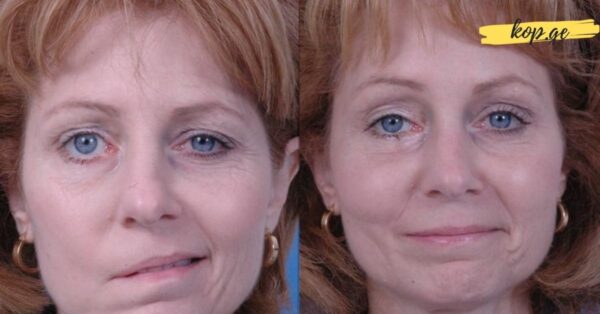
Stroke is a serious medical condition that can affect anyone, regardless of age. According to statistics, women are at particular risk, especially as they get older. However, even women aged 18 to 40 are more prone to stroke compared to men of the same age group. Each year, between 30,000 and 50,000 people die from stroke, and studies indicate that more women die from stroke than from breast cancer. The good news is that fatal outcomes can often be prevented if the early warning signs are recognized and immediate action is taken.
Understanding Stroke and Its Risk Factors
A stroke occurs when the blood supply to a part of the brain is interrupted or reduced, preventing brain tissue from getting essential oxygen and nutrients. The two most common types of stroke are ischemic and hemorrhagic.
Ischemic stroke happens when blood vessels are blocked or narrowed, reducing blood flow to the brain. This accounts for the majority of stroke cases.
Hemorrhagic stroke occurs when a blood vessel in the brain bursts, leading to bleeding, swelling, and increased pressure on surrounding brain tissue.
Several risk factors increase the likelihood of stroke:
High blood pressure
Diabetes
Heart disease or irregular heartbeat
Smoking
Obesity
High cholesterol levels
Excessive alcohol consumption
Chronic stress
Lack of physical activity
It is essential to monitor these risk factors, particularly in women, as they are often associated with specific hormonal or life-stage-related risks such as pregnancy, the use of oral contraceptives, menopause, or hormone therapy.
Stroke Symptoms in Women
Recognizing stroke in women can be challenging because some symptoms are subtle or atypical. While classic signs like facial drooping, arm weakness, and speech difficulties are common, women often experience additional, less obvious symptoms that require attention. Here are seven key symptoms to watch for:
Facial drooping and limb weakness
One of the most noticeable consequences of stroke is paralysis or weakness on one side of the body. The affected side of the face may droop, and the nasolabial fold may become less defined. Similarly, the arm or leg on the same side may feel weak or numb. Statistics show that about 80% of stroke survivors experience this symptom.
Vision problems
Sudden changes in vision can signal a stroke. Women may experience a temporary or permanent loss of vision in one or both eyes. Blind spots, blurred vision, or double vision can also occur. These symptoms often result from damage to the visual processing areas of the brain.
Severe headache
A sudden and intense headache, often described as the worst headache of one’s life, may indicate a stroke, particularly a hemorrhagic stroke. This headache may be accompanied by nausea, vomiting, or sensitivity to light. Unlike typical headaches, it comes on rapidly and is extremely severe.
Sudden chest pain or discomfort
While chest pain is often associated with heart attacks, it can also be a sign of a stroke. This symptom is more common when a stroke affects areas of the brain that regulate heart function or blood pressure. Women should not ignore sudden chest pressure, especially when accompanied by other stroke symptoms.
Loss of coordination and balance
Sudden problems with coordination, balance, or spatial orientation may indicate a stroke affecting the cerebellum or other brain areas responsible for movement. This can result in difficulty walking, unsteady posture, or a sudden fall. Even minor coordination problems should be taken seriously.
Unexpected fatigue or weakness
Sudden fatigue or lethargy is another warning sign, particularly in otherwise active women. Stroke can cause abrupt changes in behavior, including excessive sleepiness, lack of motivation, or general weakness. Women may also experience mood changes or depression-like symptoms before or after a stroke.
Sudden pain or numbness on one side of the body
Another stroke-related symptom that is more frequently reported in women is sudden, sharp pain, tingling, or numbness affecting the face, arm, or leg on one side of the body. This symptom can occur independently or alongside more classic signs like facial drooping or arm weakness.
Why Women Are at Higher Risk
Research shows that women often have a higher mortality rate from stroke than men. One reason is that women may experience atypical or nonspecific symptoms that are easily overlooked or misattributed to other conditions. Hormonal changes during pregnancy, menopause, or hormone therapy can increase stroke risk. Conditions like high blood pressure, diabetes, and heart disease further elevate the likelihood of stroke in women.
What to Do if You Suspect a Stroke
Early intervention is crucial. If you or someone you know shows signs of stroke, call emergency medical services immediately. Remember the acronym FAST, which can help identify key stroke symptoms:
Face drooping
Arm weakness
Speech difficulty
Time to call emergency services
Even subtle or unusual symptoms should not be ignored, especially in women, where early warning signs can differ from the typical male pattern. Immediate medical attention can prevent severe disability and save lives.
Prevention and Monitoring
Women can reduce their risk of stroke through lifestyle changes and monitoring:
Maintain healthy blood pressure and cholesterol levels
Manage diabetes effectively
Avoid smoking and limit alcohol intake
Stay physically active
Maintain a healthy weight
Be aware of hormonal factors and discuss any concerns with a healthcare provider
Recognizing stroke symptoms early and seeking prompt treatment can make a significant difference in recovery and outcomes. Women, in particular, should pay attention to subtle warning signs that may otherwise go unnoticed.
Conclusion
Stroke is a life-threatening condition that can affect anyone, but women face unique risks and often present with less typical symptoms. By being aware of the seven key symptoms—facial drooping, vision problems, severe headache, sudden chest pain, loss of coordination, unexpected fatigue, and sudden pain or numbness on one side of the body—women can act quickly and potentially save lives. Education, prevention, and prompt medical intervention are critical to reducing the impact of stroke.
Watch next: Home remedies for dandruff treatment using natural methods.