


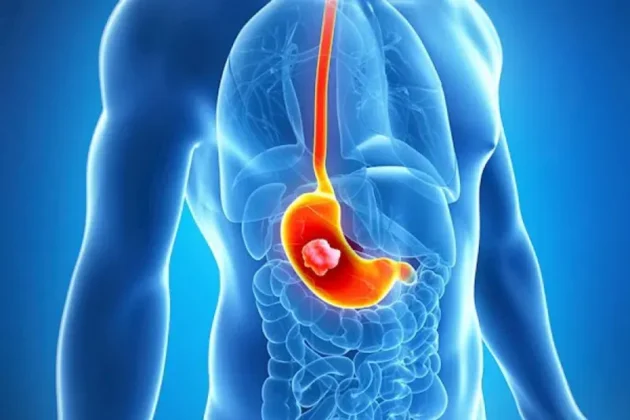
Gastritis is one of the most common gastrointestinal diseases today, affecting millions of people worldwide. It is often referred to as “stomach gastritis” in various sources, but in reality, it is exclusively an inflammation of the stomach lining and does not occur in other organs.
Often, it develops so “silently” that people pay little attention to its first signs. In this blog, we will discuss how to identify gastritis, how to recognize its symptoms, and who to consult for treatment. There are signals whose ignorance can lead to serious complications.
What is Gastritis?
Gastritis is an inflammation of the stomach lining that develops for various reasons. The modern fast-paced life, unhealthy diet, and constant stress have made this problem even more pressing. According to doctors, cases of gastritis are particularly on the rise in cities, where a large part of the population fails to maintain a healthy lifestyle.
Gastritis can develop due to a single, strong irritant or from the long-term effects of various factors. For example, excessive alcohol consumption or a bacteria that causes damage can lead to rapid inflammation of the lining. In some cases, it develops slowly, which can be even more dangerous.
The main causes of stomach lining inflammation can be:
- Helicobacter pylori – a bacterium that damages the stomach lining and causes inflammation;
- Irregular and unhealthy eating;
- Strong and prolonged stress;
- Frequent use of non-steroidal anti-inflammatory drugs that weaken the lining;
- Excessive consumption of alcohol or tobacco.
Unfortunately, our lifestyle is directly reflected in the health of our stomach. Eating quickly, consuming an excessive amount of spicy or fried foods, eating late at night, and excessive caffeine consumption cause constant irritation of the stomach lining. This is compounded by daily stress, which increases stomach acidity and weakens its protective mechanisms. The bacteria Helicobacter pylori is one of the main reasons why gastritis or its more serious forms develop.
The Importance of Timely Symptom Recognition
Recognizing symptoms plays a crucial role both in the success of treatment and in avoiding serious complications. It is common for people to have stomach discomfort for years but delay going for an examination, treating the problem themselves, which ultimately becomes dangerous.
Chronic gastritis often proceeds unnoticed, which makes it doubly dangerous. Its long-term development leads to structural changes in the stomach lining and increases the risk of developing ulcers or cancer.
The symptoms of this disease vary depending on the form, cause, and course of the illness, but the most common ones include:
- Pain or burning in the upper part of the abdomen;
- Bloating and a feeling of heaviness;
- Nausea or vomiting;
- Loss of appetite or a feeling of being full quickly;
- Unpleasant odor in the mouth.
Pain in the upper abdomen, bloating, and nausea are frequently encountered—these three symptoms are the most characteristic of gastritis. The pain often stings or feels like a burn, bloating lasts for several hours after eating, and nausea is particularly evident in the morning on an empty stomach. If the pain is severe and prolonged, vomiting is accompanied by blood, or black-colored stool appears, this is a sign of a serious problem and you should immediately consult a doctor. Mild cases usually subside in a few days, but in case of constant discomfort, a specialist’s consultation is necessary.
Chronic Gastritis – Features and Risks
In chronic gastritis, inflammation persists. It spreads deep into the stomach lining, which over time leads to its atrophy. Because of this, the functional ability of the stomach decreases, and food digestion becomes difficult. The chronic form is particularly dangerous because the disease can progress for years, unnoticed, and eventually lead to stomach cancer.
One of the main problems of chronic gastritis is its less noticeable symptoms. A person may only feel slight bloating or discomfort after eating and think it is a common digestive problem. This is why timely detection of the pathology is important. Chronic gastritis, of course, is treatable, and managing this problem is entirely possible if detected early.
How is it Diagnosed?
Various methods are used to diagnose gastritis. For example, collecting an anamnesis (patient history), laboratory studies, ultrasound diagnostics, and endoscopy, which gives the most accurate picture of the condition of the stomach lining. Tests for Helicobacter pylori are also conducted.
It is important to go to the doctor when symptoms last for more than two weeks, the pain intensifies, vomiting occurs, or there is significant weight loss. A timely visit saves your time and health.
Why You Shouldn’t Postpone a Visit to a Specialist
Gastritis is a disease that develops with inflammation of the lining and manifests in various forms. Its causes include bacteria, as well as diet and stress.
Timely reaction to symptoms will help you avoid serious complications, maintain your health, and continue living peacefully. Remember that paying attention to the signals sent by your body is the best protection against diseases.






















