6 Facts About Acne: How to Take Care of Your Skin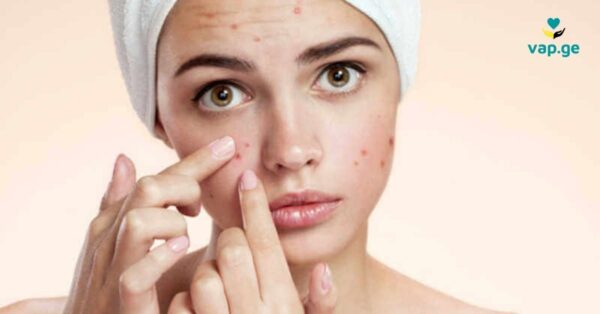
Acne is a bacterial skin condition that can affect anyone at any age. While many people think of skin as simply a protective layer or a cosmetic feature, it is actually a large and complex organ essential to overall health. Like any other organ, it can experience dysfunction, infections, and conditions that sometimes require professional medical attention. One of the most common adversaries of healthy skin is acne, a condition that is both widespread and often misunderstood.
1. Acne Does Not Discriminate by Age or Gender
Acne is often seen as a teenage problem, but in reality, it is a democratic disease that can affect anyone. Studies suggest that approximately 80% of the population experiences some form of acne at various stages of life, commonly between ages 11 and 18, but it is not limited to teenagers.
A related skin condition, rosacea, differs from acne and typically affects adults, particularly women aged 30 to 50. Rosacea manifests in stages, ranging from temporary facial redness (erythema) to permanent redness, sometimes accompanied by visible blood vessels and pustules. Unlike acne, its causes are not fully understood, though genetics, immune system irregularities, and reactive enlargement of facial blood vessels are suspected factors.
2. Acne Is Not Caused by Dirt
A persistent myth is that acne results from dirty skin or poor hygiene. This is false. While cleanliness is important for overall skin health, acne is primarily caused by internal factors:
Hormonal imbalances that lead to overactive sebaceous (oil) glands
Pathological perifollicular keratosis, which blocks hair follicles
Inflammation caused by the bacteria Propionibacterium acnes
In addition, while rosacea and acne may appear similar, their underlying causes differ. Environmental triggers such as UV radiation, pollution, smoking, extreme temperatures, and improper diet or skincare can exacerbate both conditions, but acne is not a result of surface-level dirt accumulation.
3. Sun Exposure Does Not Cure Acne
Many believe that sunlight can help clear acne, but this is misleading. In reality, sun exposure can worsen acne. Prolonged sun exposure or tanning activates the sebaceous glands, creating an environment where Propionibacterium acnes bacteria thrive. This can lead to new acne lesions, worsening existing inflammation rather than improving the condition.
It’s essential to understand that while moderate sun exposure can benefit overall skin health, relying on sunlight as a “cure” for acne is counterproductive. Instead, protective measures like sunscreen and appropriate skincare routines are recommended.
4. Picking or Squeezing Pimples Can Make Things Worse
Removing pimples manually may seem like a quick solution, but it can significantly exacerbate acne. When pimples are squeezed, the infected hair follicle may be damaged, leading to increased inflammation and the spread of bacteria across the skin.
Additionally, hands are natural carriers of bacteria, which can transfer microbes to the face during pimple extraction. This often results in persistent scars, hyperpigmentation, and lesions that are difficult to remove. Therefore, it is strongly advised to avoid touching or popping pimples and to seek professional dermatological care for treatment.
5. Acne Requires Proper Treatment
Acne is not merely a cosmetic inconvenience—it is a medical condition that requires proper treatment. Effective management typically involves:
Dermatologist supervision: A professional can assess the severity of acne, identify underlying causes, and recommend personalized treatment plans.
Topical and systemic therapies: Depending on the case, treatment may include medicated creams, antibiotics, hormonal therapy, or retinoids.
Dermocosmetic products: These are specialized skincare formulations that complement medical treatments, addressing both localized lesions and overall skin health.
It’s important to note that treatment is often long-term and requires patience. Results are gradual, and consistency is key. Abruptly stopping treatment can lead to relapse or worsening of acne.
6. Supportive Skincare and Lifestyle Are Crucial
While medical treatment is the foundation for managing acne, supportive skincare practices can enhance outcomes:
Gentle cleansing: Use non-comedogenic cleansers twice daily to remove excess oil, dirt, and bacteria.
Moisturization: Proper hydration with suitable moisturizers helps maintain the skin barrier, preventing irritation and dryness.
Sun protection: Use sunscreen daily to prevent UV-induced inflammation and pigmentation.
Healthy diet: Avoid excessive sugar, fried foods, and dairy if they trigger flare-ups, and include fruits, vegetables, and omega-3 fatty acids.
Stress management: Stress can exacerbate acne by influencing hormone levels, so mindfulness, meditation, or light exercise may be beneficial.
Even when following these routines, dermatological guidanc
e is essential for ensuring that treatments are both safe and effective.
Understanding Acne Beyond the Surface
Acne is not just a superficial skin problem—it reflects complex interactions within the body, including hormonal fluctuations, immune responses, and bacterial activity. Treating acne effectively requires an integrated approach:
Medical intervention: Addressing the root cause with targeted treatments
Preventive measures: Maintaining hygiene, diet, and skincare routines
Lifestyle adjustments: Managing stress and environmental exposures
Ignoring these factors can prolong acne, cause complications, and lead to scarring or psychological distress.
Conclusion
Acne is a common and potentially persistent condition that can affect anyone, regardless of age or gender. While myths about dirt and sun exposure persist, science shows that the primary causes are hormonal imbalances, bacterial infections, and follicular abnormalities.
Effective management requires professional dermatological care, consistent use of dermocosmetic products, and lifestyle measures that support skin health. Avoiding pimple popping and managing environmental triggers are essential steps to prevent exacerbation.
Ultimately, understanding acne as a medical condition rather than a cosmetic flaw empowers individuals to take control of their skin health. With patience, proper treatment, and supportive skincare, clearer, healthier skin is achievable, even for those with persistent or severe acne.
Quick Recap: 6 Key Facts About Acne
Acne can affect anyone and is not limited by age or gender.
Acne is caused by internal factors, not dirt.
Sun exposure can worsen acne by activating oil glands.
Popping pimples spreads bacteria and worsens inflammation.
Acne requires professional medical treatment and patience.
Supportive skincare, diet, and lifestyle habits enhance treatment outcomes.
Takeaway: Acne is a treatable medical condition. While it may be frustrating, proper care, professional guidance, and informed lifestyle choices can help manage acne effectively, prevent complications, and improve overall skin health.