10 Most Budget‑Friendly Face Masks for Skin You Can Easily Make at Home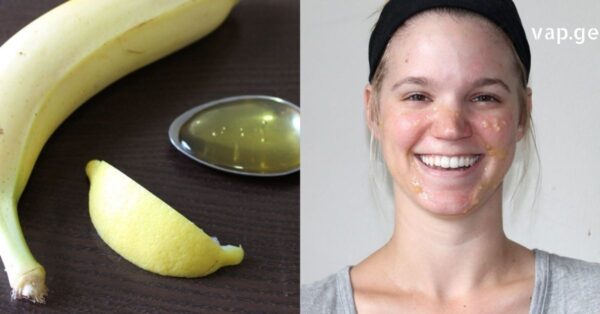
Taking care of facial skin is important all year round, but if you want your skin to look flawless even in summer — when it can easily get dull, dry, or damaged — you should follow a few tips from skincare specialists.
When you think about taking care of your skin in summer, sunscreen is obviously one of the first things that comes to mind. But beyond sun protection, you also need to pay attention to hydration, cleansing, and gentle exfoliation. The following ten homemade face masks are inexpensive, made with ingredients you may already have in your kitchen, and effective for maintaining radiant, balanced skin during the hottest months.
1. Green Tea Clay Mask
Why it’s good: Green tea is rich in antioxidants and anti-inflammatory compounds. Clay helps draw out excess oils and impurities from pores.
Ingredients & directions:
½ cup cosmetic clay (kaolin or bentonite)
⅓ cup cooled green tea (brewed and chilled)
⅓ cup apple cider vinegar
5 drops lavender essential oil
Mix all ingredients until smooth. Apply to clean skin and leave on for about 20 minutes. Rinse gently with lukewarm water.
This mask helps calm the skin, reduce redness, and tighten pores.
2. Moisturizing Banana Mask
Why it’s good: Bananas are full of vitamins and minerals (especially potassium) that nourish the skin. They also give a creamy texture for a hydrating mask.
Ingredients & directions:
1 medium banana, mashed into a smooth paste
Optional: 1 tablespoon honey + 10 drops of fresh lemon juice
Apply a plain banana paste for 20 minutes, or if your skin tolerates it, mix in honey and lemon and leave for 15 minutes before rinsing. This is excellent for dry or combination skin that needs extra moisture.
3. Exfoliating Gelatin Peel Mask
Why it’s good: Gelatin helps bind and lift away dead skin cells when peeled off. Apple cider vinegar and eucalyptus oil add gentle exfoliation and a fresh scent.
Ingredients & directions:
Unflavored gelatin powder (1 tablespoon)
2 drops eucalyptus essential oil
½ teaspoon apple cider vinegar
Heat a small amount of water (just enough to dissolve the gelatin) in the microwave or a double boiler (~15 seconds). Stir in the other ingredients. While still warm (but not hot), apply to the face (avoiding the eye area). Wait until it fully sets (about 20 minutes) and then gently peel it off. Rinse off any residue with warm water.
This kind of peel is best for normal to oily skin types and helps smooth and brighten.
4. Volcanic “Acne” Mask (Charcoal + Bentonite)
Why it’s good: Activated charcoal draws out toxins and impurities. Bentonite clay absorbs oils and clears clogged pores. Tea tree oil adds antibacterial action.
Ingredients & directions:
1 tablespoon activated charcoal powder
1 tablespoon bentonite clay
~¼ cup warm water
A few drops of tea tree essential oil
Mix charcoal and clay, then add warm water slowly until you reach a thick paste consistency. Add a few drops of tea tree oil and mix well. Apply a thin layer to your face, avoiding sensitive areas. Let it dry (15–20 minutes), then rinse thoroughly with lukewarm water.
Use this 1–2 times a week if your skin tolerates it — excellent for acne-prone or oily skin.
5. Milk & Honey Mask
Why it’s good: Milk contains gentle lactic acid (a mild exfoliant) and proteins that soothe skin. Honey is naturally antibacterial and moisturizing.
Ingredients & directions:
1 tablespoon milk
1 tablespoon raw honey
Mix and apply to cleansed skin. Let sit for about 15 minutes. Rinse off with lukewarm water. This mask is simple but very nurturing for sensitive or dull skin.
6. Oat & Egg Mask
Why it’s good: Oats are calming, contain saponins (mild cleansers), and help with oil balance. Eggs (white or whole) provide proteins and tightening effect. Lemon juice can add brightness (but use cautiously if you have sensitive skin).
Ingredients & directions:
4 tablespoons rolled oats (finely ground)
1 tablespoon honey
1 egg (or egg white for oily skin)
A few drops of fresh lemon juice
Mix oat powder and honey. Add the egg (or egg white) and lemon juice and stir to a paste. Apply to your face and leave for about 15 minutes. Rinse with lukewarm water, gently massaging to exfoliate.
This mask helps gently exfoliate and nourish while improving texture.
7. Strawberry + Yogurt Mask
Why it’s good: Strawberries contain natural acids (like salicylic acid) and antioxidants, while yogurt adds probiotics and lactic acid for gentle exfoliation and hydration.
Ingredients & directions:
2 ripe strawberries, mashed
1 tablespoon plain probiotic yogurt
1 tablespoon raw honey
Combine all ingredients and apply to your face. Leave it on for 15 minutes, then rinse gently. This mask brightens the complexion and gives a fresh, hydrated feel.
8. Lemon + Olive Oil Brightening Mask
Why it’s good: Lemon juice has astringent and brightening properties (thanks to vitamin C), and olive oil deeply nourishes and balances lipids in skin.
Ingredients & directions:
Juice of 1 lemon
¼ cup olive oil
Mix well. Apply to clean skin for 10–15 minutes (no more, as lemon can be irritating). Rinse thoroughly. Use with care (patch test first) if you have sensitive or reactive skin.
This mask helps peel away dead skin cells and can improve radiance.
9. Anti‐Hair / Oil Control Mask
(Note: The original was labeled “mask for unwanted hair,” possibly meaning it reduces facial hair or oil; but mixing lemon and oats may help mildly slow hair growth or reduce oiliness.)
Why it might help: Oats soothe and balance, honey is nourishing, lemon is brightening and slightly astringent.
Ingredients & directions:
1 tablespoon oats (ground)
2 tablespoons honey
2 tablespoons fresh lemon juice
Mix into a paste. Apply on face for 15–20 minutes, then rinse with warm water. Use regularly (2–3 times per week) to see subtle effects in oil control and smoother skin.
10. Foaming Clay Mask (“Foam Mask”)
Why it’s good: This kind of mask works as a gentle cleanser and detoxifier, especially for clogged pores or dull skin. The light foaming or “bubble” effect helps to loosen debris.
How to make & use:
You can turn a clay mask into a “foam mask” by adding a small amount of foaming cleanser or baking soda (very little) to your clay mixture, or using a clay that inherently froths when agitated with water or serum. Apply it for 5–10 minutes, massaging gently as it bubbles, then rinse.
This mask is helpful when you’re short on time but still want a deep-clean feeling.
Additional Tips for Healthy Summer Skin
Patch Test First.
Especially for masks containing acids (lemon, vinegar) or essential oils, test a small patch on your jawline for 10 minutes to check for irritation.
Keep Ingredients Fresh.
Use fresh produce, pure honey, good-quality oils, and unflavored gelatin or cosmetic clay.
Moisturize After Masking.
Always apply a lightweight moisturizer or aloe gel to seal in hydration.
Use Sunscreen Daily.
Even on cloudy days, UV exposure can undo all the good work you do with masks. A broad-spectrum SPF 30+ is essential.
Don’t Overdo It.
Limit exfoliating masks (with clay, charcoal, acids) to 1–3 times per week depending on your skin type. Hydrating masks (banana, yogurt) can be used more often.
Drink Water & Eat Clean.
What you put inside matters just as much: hydration and a diet rich in antioxidants support skin from within.
Avoid Hot Water.
Rinsing with lukewarm or cool water preserves hydration and prevents overstimulation.